Process
From yarn to finished fabric
Five steps
Yarn, draft, loom, lab, roll
Design with the yarn
Each construction starts from an effect yarn — slub, bouclé, chenille — and a dobby draft built around it. Weight and width are set as targets before the first weave.
- Dobby draft per design
- Target GSM and width stated
- Effect yarn chosen first
- End use fixed up front
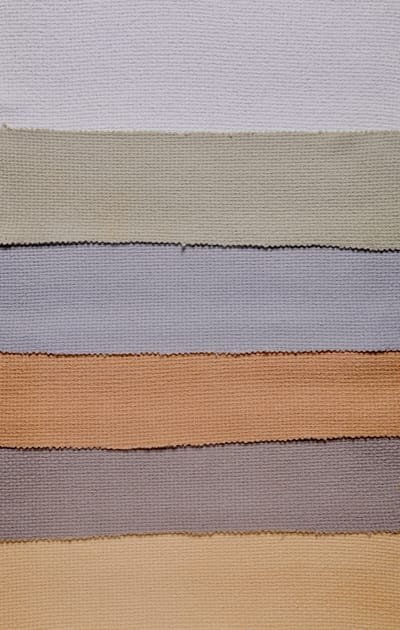
Yarn from Citius Textiles
Effect yarns come from the family's own yarn business in Surat, yarn-dyed before weaving. Warp beams are bought in from a job-work warper.
- Slub, bouclé, chenille
- Yarn-dyed before weaving
- Polyester-dominant
- Warp beams job-worked
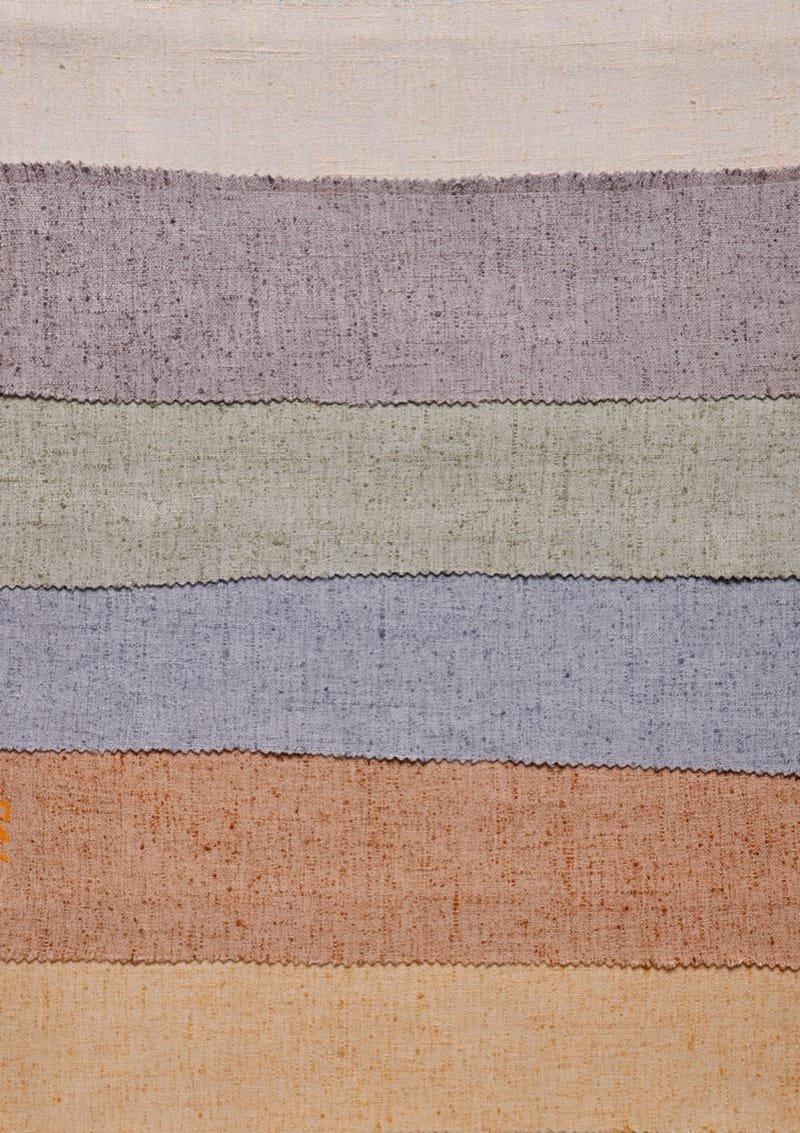
Weaving at Palsana
4 × Somet Super Excel 220 cm dobby rapier looms, commissioning December 2026.
- Dobby rapier looms
- 220 cm reed space
- 137–150 cm sellable width
- One shed, four looms
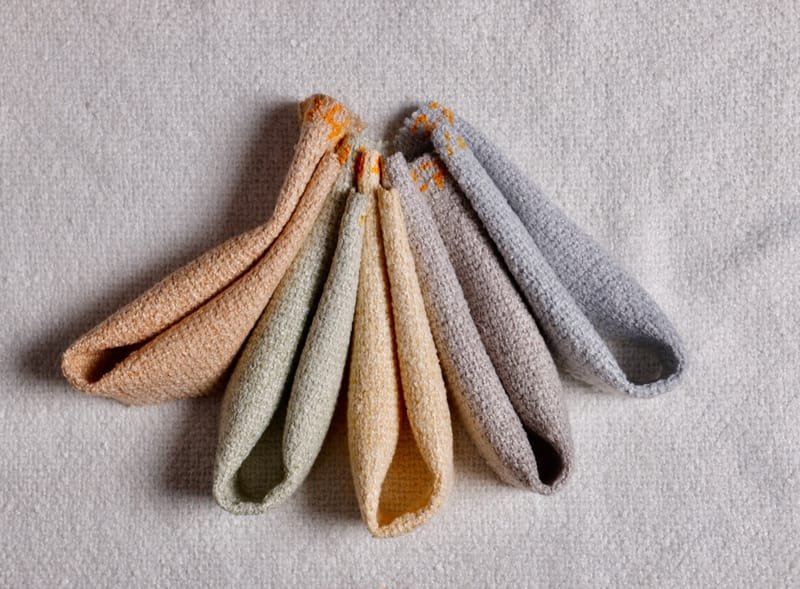
Testing after the first weaves
Abrasion, pilling and colourfastness go to an accredited textile lab as job work. Until a report is on file the spec sheet says test pending — we do not estimate.
- Martindale abrasion
- Pilling
- Colourfastness to light, rubbing, washing
- Flammability only when a buyer needs it
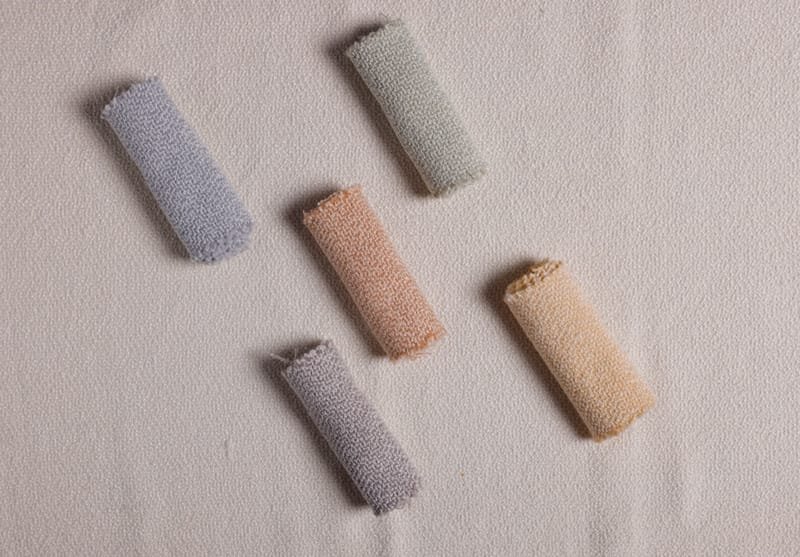
Inspection, packing and dispatch
Every roll is graded on the 4-point system before it leaves the shed, labelled with its design, colourway and roll number, and packed for domestic or export shipment.
- 4-point inspection system
- Roll or cut-length packing
- Clear roll labelling
- Export documentation


Certifications
None held yet
GRS (Global Recycled Standard) and OEKO-TEX Standard 100 are planned after the trial weaves. Neither is held today and neither will appear on a spec sheet, a label or this page until the certificate is issued. Lab test reports are shared as tested.
Judge the cloth, not the page
Request samples to see Kapasa fabric before placing your order. Kits ship from January 2027.